
NFPA 13, 13R or 13D: which sprinkler standard a building needs
Updated November 2026 · Bruhn & Bruhn Fire Protection
NFPA 13 covers every kind of building and protects both people and property. NFPA 13R is a lighter standard for low-rise residential buildings like apartments and some hotels, and 13D is for one- and two-family homes. The building code and the occupancy decide which is allowed.
The three standards
| What | How often |
|---|---|
| NFPA 13 | Any building: commercial, industrial, storage, and residential of any height. Sprinklers throughout, aimed at protecting the building as well as the people in it. |
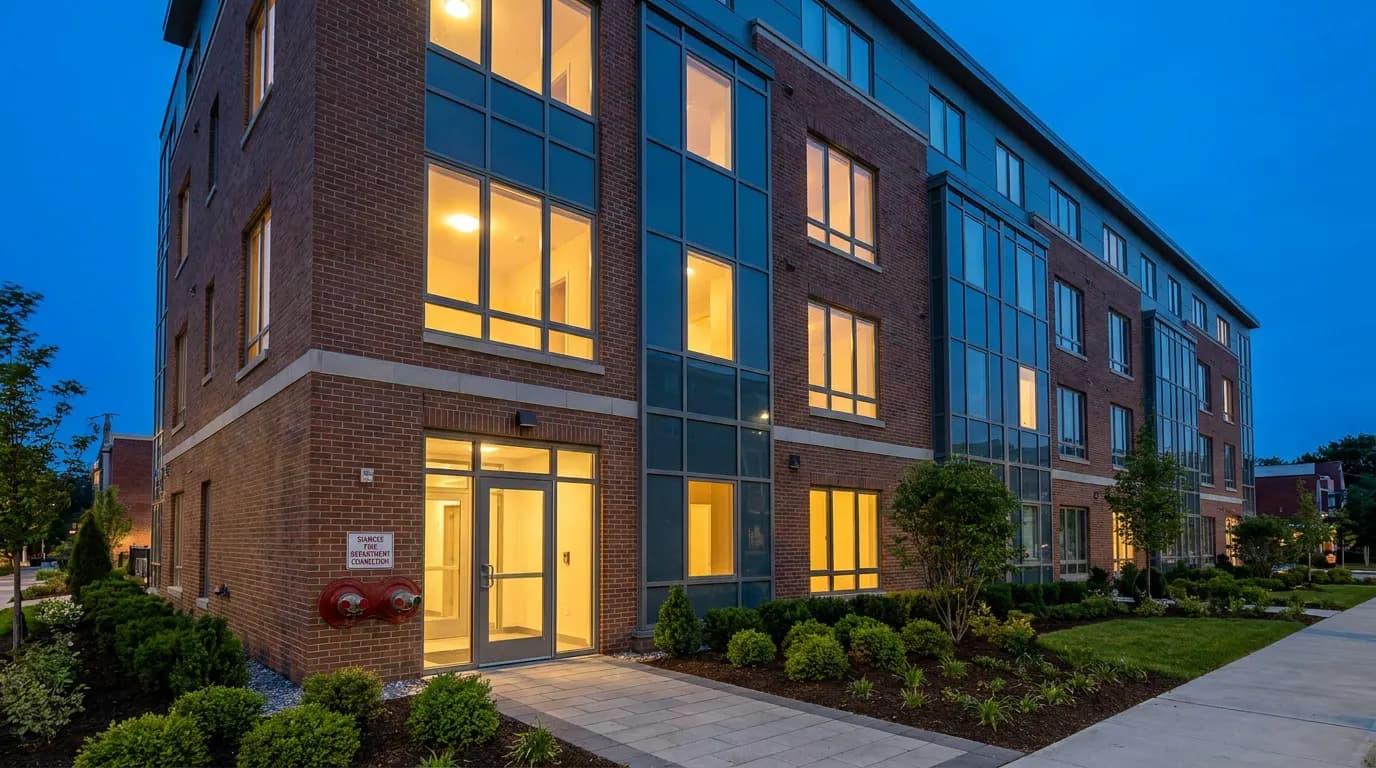
| NFPA 13R | Low-rise residential occupancies such as apartments, dormitories and some hotels, up to four stories and 60 feet. Aimed at getting people out; some spaces can go without sprinklers. |
| NFPA 13D | One- and two-family dwellings and manufactured homes. Life safety only, with the smallest water supply. |
What 13R leaves out
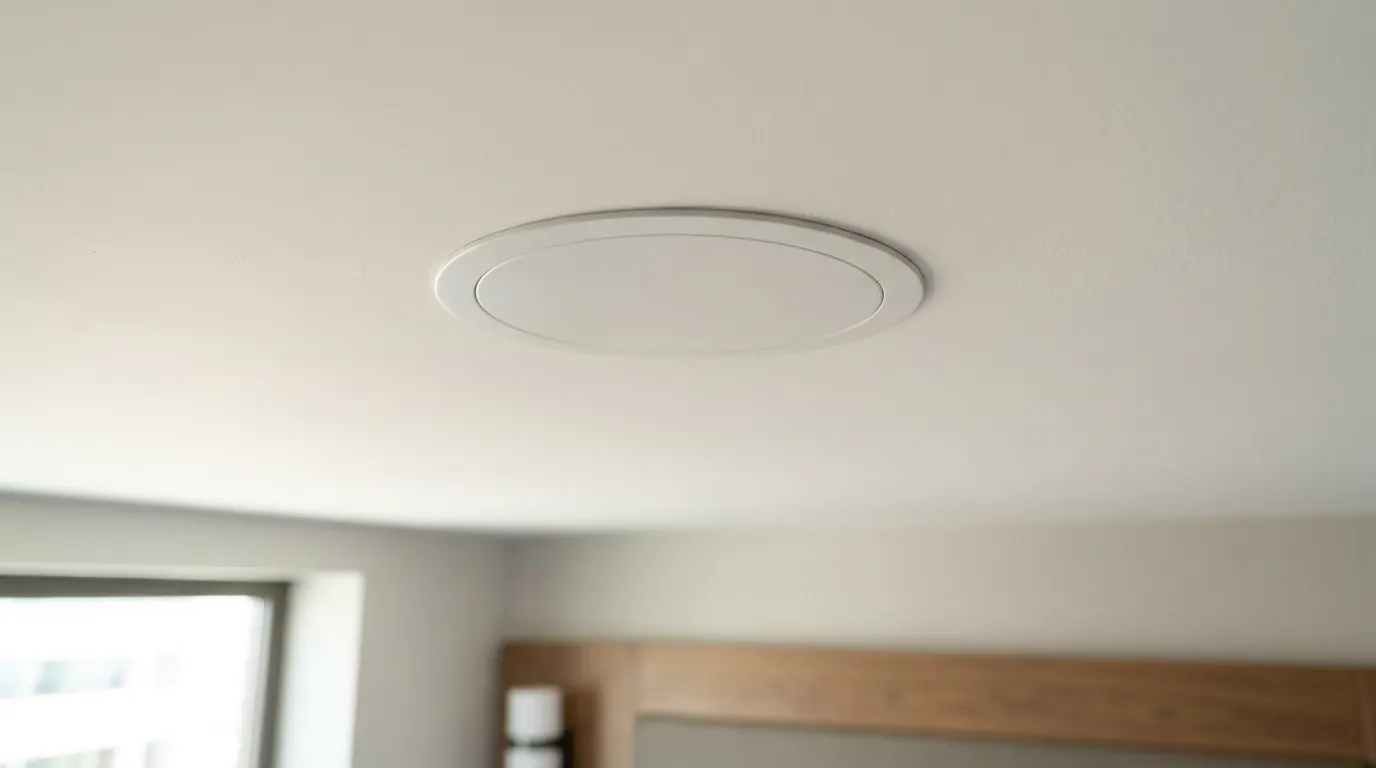
Because 13R is about letting occupants escape, it allows sprinklers to be omitted from some areas that full NFPA 13 would protect, such as some attics, concealed spaces, small closets and bathrooms, and some balconies, depending on the edition and the building. It also uses a smaller water demand. That makes it cheaper, and the building code allows it for qualifying residential buildings.
Why an owner might choose NFPA 13 anyway
A 13R building can lose an attic or a balcony to a fire the system was never meant to stop. Owners, lenders, insurers and some hotel brands want the building protected too, so they ask for full NFPA 13 even where 13R is allowed, or for 13R with attic protection added. It's worth settling with the owner and insurer before design starts, since it changes the water supply and the layout.
Residential sprinklers, the fast-response heads designed for sleeping areas, can be used in both 13 and 13R systems, often on CPVC pipe in the guest floors, as on the four-story Hampton Inn we did in Lawrenceburg.
Which standard applies is set by the building code the jurisdiction has adopted and the building's occupancy; the fire marshal reviewing the plans has the final word.
Questions owners ask
- Can a hotel use an NFPA 13R sprinkler system?
- Often, if it's a residential occupancy of four stories or fewer within the code's height limit. Many owners, insurers and brands still require full NFPA 13 for property protection.
- Is NFPA 13D allowed for apartments?
- No. 13D is for one- and two-family dwellings and manufactured homes. Apartments use 13R or 13.